You are not alone: everything you need to know about depression
Depression is a mental disorder that can affect anyone. We tell you all about its symptoms and effective ways to overcome this condition.

Depression is a mental disorder that can affect anyone. We tell you all about its symptoms and effective ways to overcome this condition.

Have you ever felt sad, unmotivated and not wanting to do the things you normally enjoy and you don't know why? Have you experienced these feelings for an extended period of time? If so, you may be dealing with depression.
Depression is a mental disorder that can affect anyone, regardless of age, gender, or personal situation. It can be difficult to identify, as the symptoms can vary from person to person and can be mistaken for temporary feelings of sadness or stress.
However, depression is characterized by a persistent feeling of sadness, loss of interest in daily activities, and a decrease in energy level that affects the ability to carry out daily tasks.
Depression often manifests itself as a feeling of emotional emptiness, and symptoms can include changes in appetite and weight, difficulty sleeping or sleeping too much, fatigue, difficulty concentrating, feelings of worthlessness or guilt, and thoughts about hurting ourselves.
These symptoms can vary in intensity and duration, and can affect different aspects of life, such as interpersonal relationships, work, physical health, and the ability to enjoy daily activities.
It's important to keep in mind that depression is a real medical condition and is not just a passing mood.

Depression can have a significant impact on our daily lives. One of the most important parts of our life, relationships, can be affected due to decreased interest in activities and lack of energy to maintain social contacts.
Work is also another area that can be affected by depression due to a lack of concentration and productivity, which can lead to problems in work performance and absence from work.
Depression can also have a negative impact on physical health, as it can affect appetite, sleep, and physical activity. Lack of exercise and a poor diet can make depression worse and lead to other health problems.
Also, depression can affect the ability to enjoy everyday activities, such as hobbies, sports, and pastimes. This can lead to a feeling of isolation and loneliness, which in turn can make symptoms of depression worse.
There are several risk factors that can cause depression, among the most common we can find:

Among the treatments and therapies to combat depression, there are several options available that can help you overcome this ta mental illness such as:
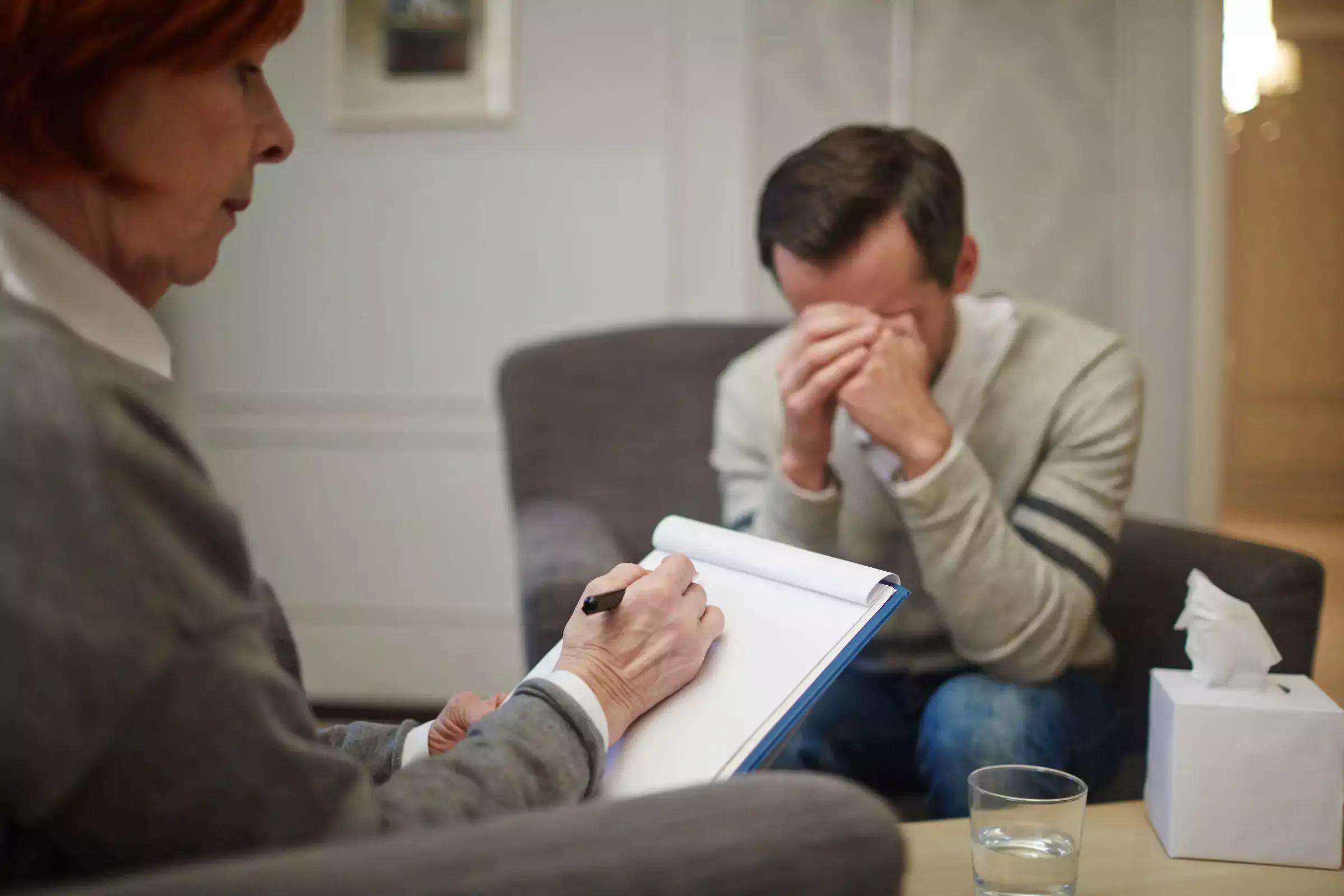
We should always keep in mind that depression is a serious mental disorder that affects our quality of life, our relationships, and our ability to carry out daily tasks. If left untreated, depression can get worse and lead to self-harming thoughts.
Seeking help for depression is the first step in regaining control of our lives. A mental health professional can help us identify and treat the symptoms of depression, and will provide us with the necessary tools and techniques to manage our negative emotions and thoughts.
It's common to feel that asking for help is a sign of weakness or that you should be able to handle the situation on your own, but this simply isn't true. Asking for help is an act of courage and a sign that you are willing to do whatever it takes to regain your mental health and well-being.
Remember that depression is not your fault and you don't have to face it alone. There are many treatment options available and there will always be people close to us willing to walk this path with you for support.


All Rights Reserved © 2026


comments